EN
FR
RU
ES
ZH-HANS
INTERNATIONAL FUR FEDERATION
FURMARK
FUR FASHION
SUSTAINABLE FUR
IFF SUPPORTERS
SHOP THE FUR
ABOUT
MEMBERS
AUCTION HOUSES
AMERICAN MINK EXCHANGE
FUR HARVESTERS AUCTION
SAGA FURS
SOJUZPUSHNINA
CEO TALKS
MARK OATEN’S BLOG
Skills & Careers
Fur Futures
Training around the world
Talented Youth Platform
IFF Supporter Group
CONTACT
Learn Who We Are And What We Do
The latest on fur fashion news
All about why fur is one of the most sustainable materials
Latest News
NAFA Creditor Meeting Notice
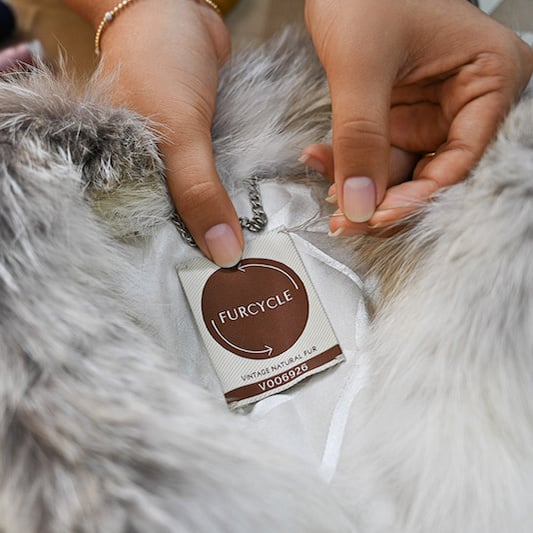
Furcyle Label, Pre-owned Fur
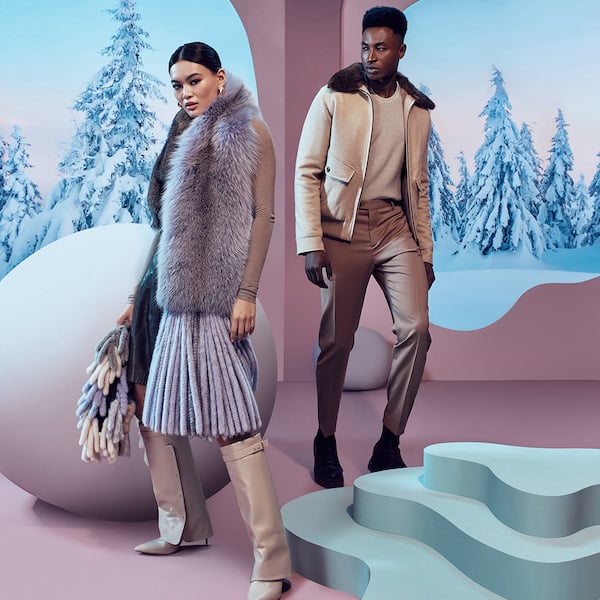
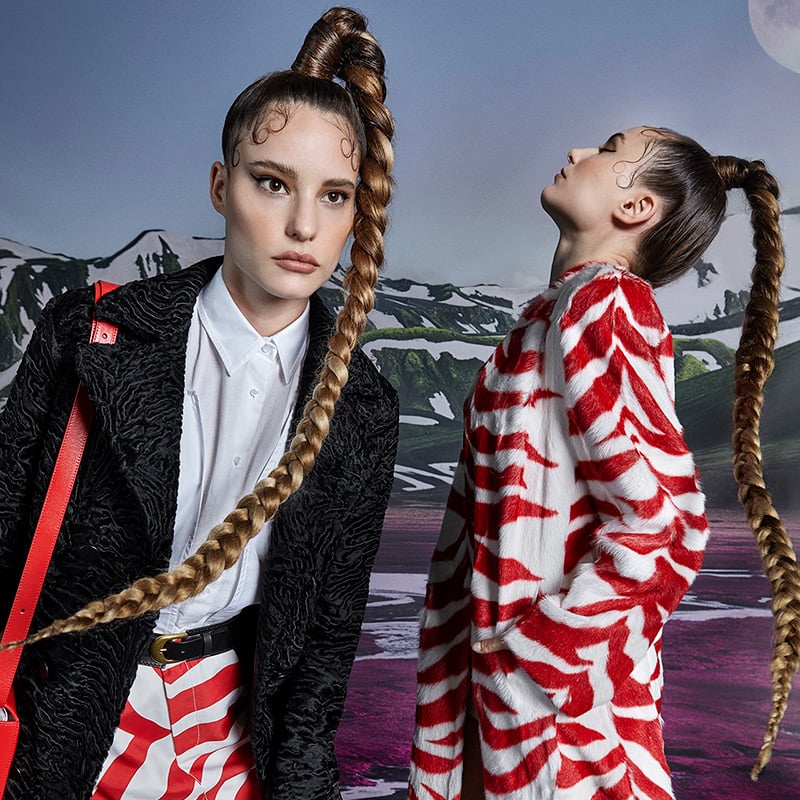
Furmark: 2023 fashion campaign
Furmark Application
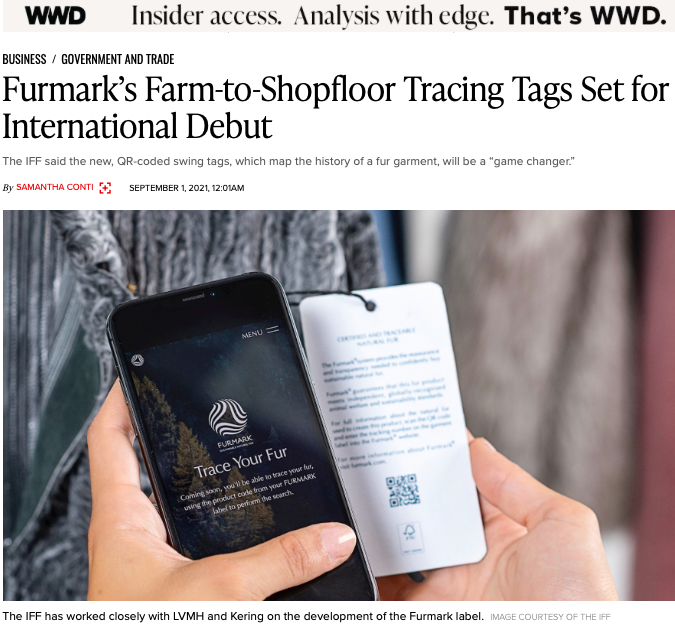
Furmark®'s INTERNATIONAL DEBUT
FURMARK®: THE INTERNATIONAL MARK OF SUSTAINABLE NATURAL FUR
Global fur retail trade worth $20.1bn indicating strong bounce back post-pandemic
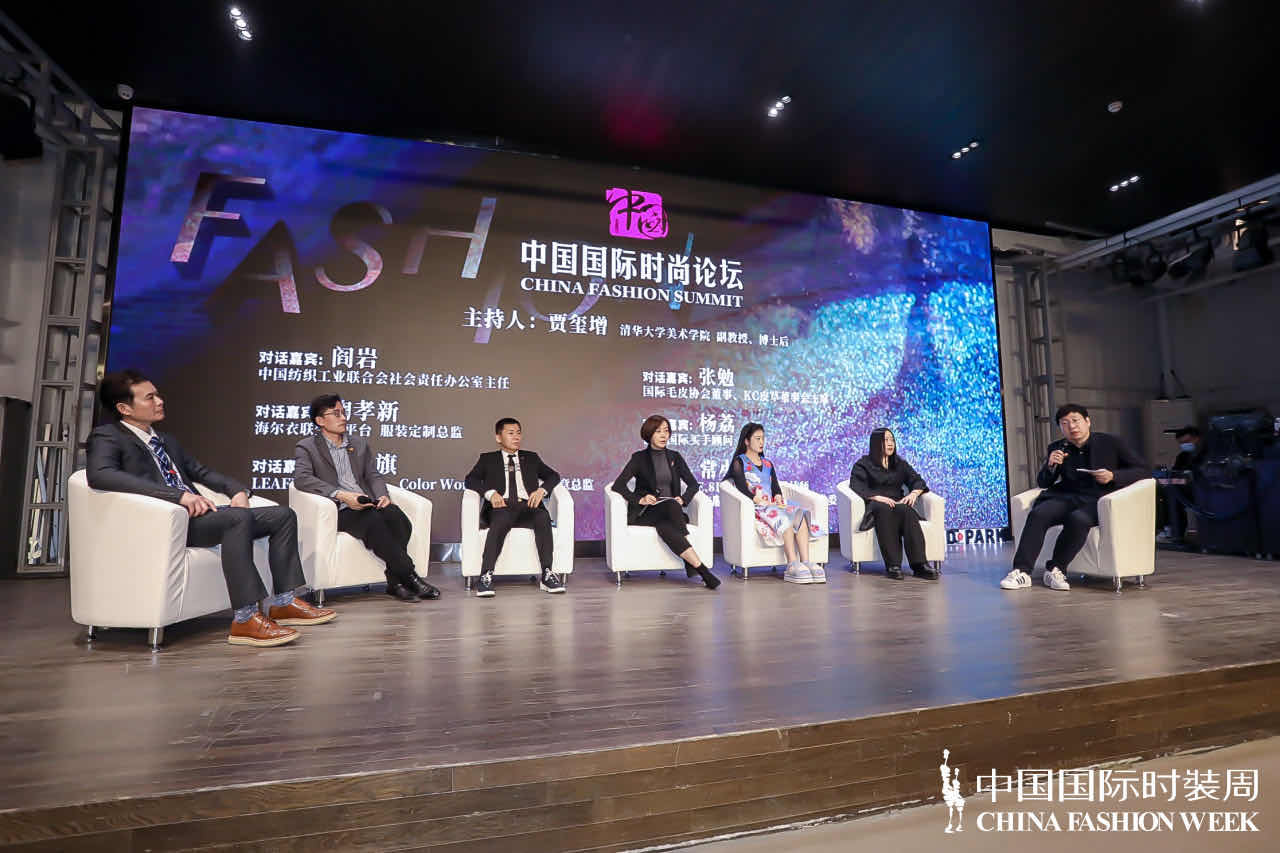
2021 China International Fashion Week: A Dialogue between Fur & Sustainability
Market Upturn: Strong Demand And Rising Fur Prices
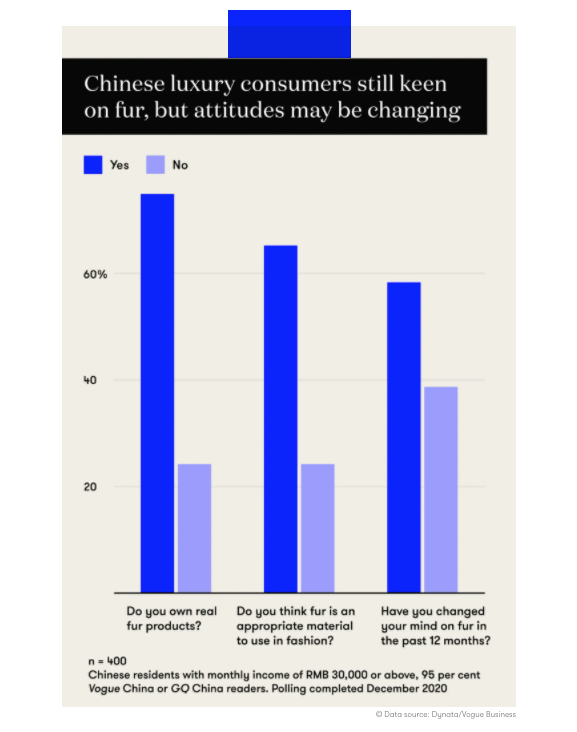
The global fur trade relies on China - Vogue Business
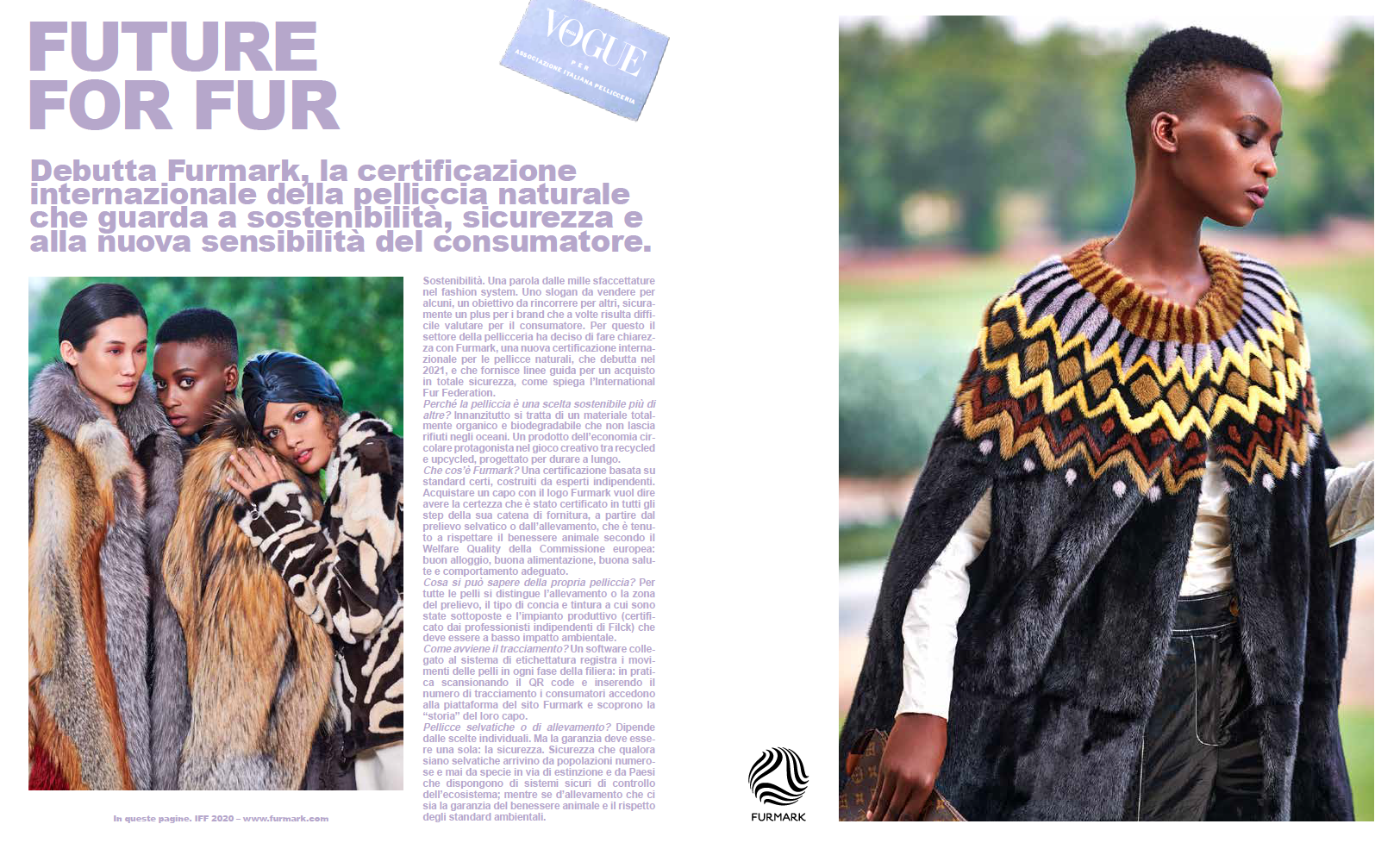
The Future of Fur - Vogue Italia
Corona vaccine for mink and Finnraccoon
Fur industry bouncing back: Asia, market, and 2021
Statement on the culling of all mink farms in Denmark
time to reconnect with nature, time to slow down
IFF LAUNCHES SUSTAINABILITY STRATEGY – ‘NATURAL FUR’
Save the Date: First Global Fur Conference Announced
Register today to join IFF Supporters Group
COURT RECOGNIZES LIMITS ON SAN FRANCISCO FUR BAN
EXPERTS AND FUR LOVERS SPEAK UP FOR FUR FASHION
REAL FUR MATTERS. WHY NYC FUR BAN WOULD BE BAD FOR ALL
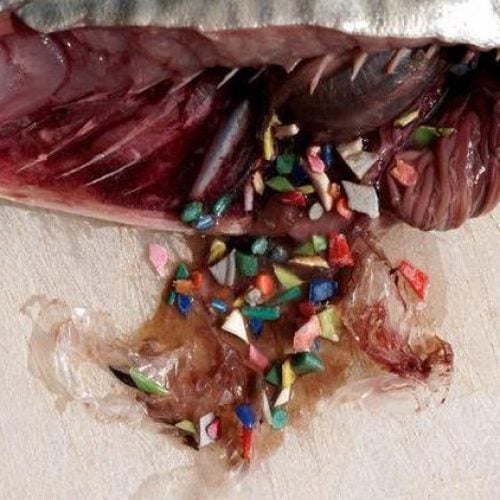
REAL VS. PLASTIC: IS NATURAL FUR “SUSTAINABLE?”
NEW STUDY COMPARES NATURAL AND FAKE FUR BIODEGRADABILITY
Remix 2019 Image Gallery
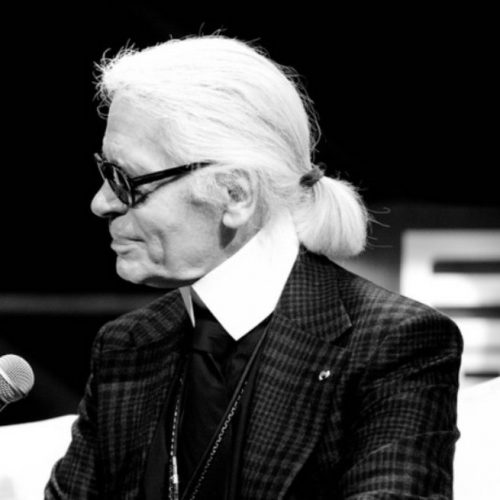
karl lagerfeld visionary and icon
Fur: A reality check
BRITISH DESIGNER EDWARD CRUTCHLEY COLLABORATES WITH KOPENHAGEN FUR
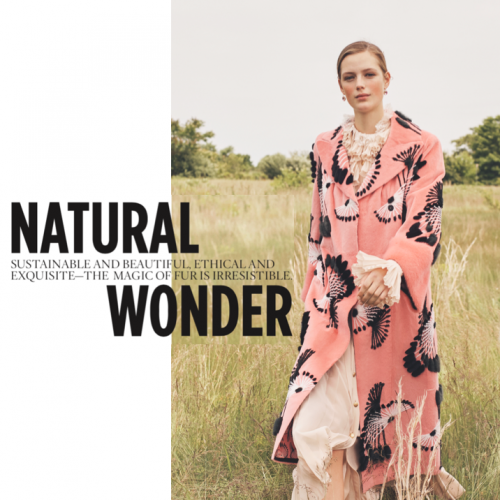
Vogue X Natural Fur
FUR INDUSTRY SAYS “IT’S TIME TO CALL OUT THE FAKE NEWS ABOUT FAKE FUR”
WWD X DESIGNER CHUNCHEN LIU ‘FUR A SUSTAINABLE, VERSATILE CHOICE’
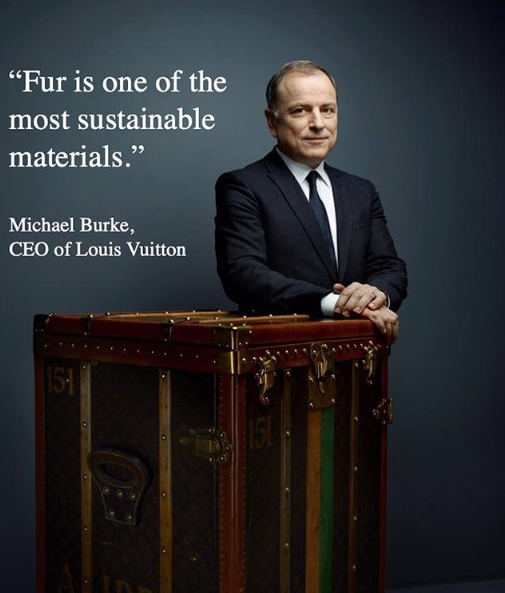
WELT INTERVIEW WITH LOUIS VUITTON CEO MICHAEL BURKE
wearefur
Representing and regulating the international fur trade.
EST 1949
Load More
Follow on Instagram
X
Send this to a friend
Send
Cancel